The AI Revolution in Education: Insights from Turnitin's Learning Integrity Reports
Understanding How Artificial Intelligence is Reshaping Academic Integrity Worldwide
The landscape of education is undergoing a profound transformation, and at the heart of this change lies artificial intelligence. As institutions across the globe grapple with the implications of AI-powered tools, Turnitin has emerged as a critical voice in understanding how these technologies are reshaping learning integrity. The company's quarterly Learning Integrity Insights Reports have become essential reading for educators, administrators, and policymakers seeking to navigate this new terrain with wisdom and foresight.

The most recent Turnitin report, examining Q2 2026, paints a complex picture of AI adoption in educational settings. It reveals that while AI tools have become ubiquitous, their impact varies dramatically across different student populations and geographic regions. Perhaps most significantly, the data suggests that one-size-fits-all approaches to AI integration are destined to fail—education-specific solutions developed in close collaboration with educators are proving to be the most effective path forward.
The Geographic and Demographic Divide in AI Writing Usage
One of the most striking findings from Turnitin's Q2 2026 Learning Integrity Insights Report is the dramatic variation in how students from different countries and educational levels approach AI writing tools. The data reveals that US higher education students are "offloading their writing to AI"—with more than 80% of AI writing detected—occurring at double the rate observed among their counterparts in the United Kingdom and Australia. This finding challenges assumptions that AI adoption is uniform across Western educational systems and demands more nuanced policy responses.
The secondary education sector presents an equally fascinating pattern. Turnitin's analysis shows that AI usage rates among secondary students from the US, UK, and Australia remain mixed but consistently lower than those observed in higher education settings. Furthermore, secondary students across all three nations are using AI at a notably lower rate than university students in the United States. This disparity raises important questions about developmental appropriateness, institutional expectations, and the maturation of AI literacy across educational levels.

These findings from Turnitin underscore the importance of context-sensitive approaches to AI policy. What works in a UK university may not translate effectively to a US secondary school, and vice versa. The data suggests that age-appropriate guidelines, country-specific training, and tailored educational interventions may prove more effective than blanket mandates or prohibitions.
The Imperative for Education-Specific AI Solutions
The second major insight from Turnitin's Learning Integrity Insights Report addresses a critical misunderstanding that continues to plague AI implementation in educational settings: AI cannot simply be applied off-the-shelf to education. The research confirms what many educators have long suspected—generic AI tools often fail to meet the specific needs of teaching and learning environments.
Turnitin's findings reveal that educators are "hungry for education-specific AI" that understands the unique dynamics of classroom instruction, assignment design, and student assessment. They require tools that can show them precisely how students are using AI—providing transparency rather than black-box judgments. Additionally, these tools must be flexible enough to accommodate diverse pedagogical approaches, reflective of how instructors actually design their assignments, and capable of either saving time or adding tangible benefits to everyday educational tasks.
The message from Turnitin's research is unambiguous: if an AI tool cannot demonstrate clear value in terms of time savings or enhanced educational outcomes, it simply isn't worth the investment. This pragmatic perspective challenges technology vendors to move beyond hype and deliver solutions that genuinely serve educators' needs. As institutions increasingly scrutinize their edtech spending, tools that fail to prove their worth will likely find themselves on the chopping block.
This finding also has implications for the development of Humanizer technologies—AI systems designed to make automated outputs more natural, human-like, and educationally valuable. Turnitin's data suggests that the most effective Humanizer applications will be those developed in deep partnership with educators, ensuring that they enhance rather than undermine the learning process.
The Shifting Center of AI Decision-Making Authority
Perhaps the most encouraging trend identified in Turnitin's Q2 2026 report concerns the locus of AI decision-making within educational institutions. The data reveals that an increasing number of faculty members and teaching and learning leaders—not administrators or IT professionals—are now leading AI strategy and implementation at their institutions. This shift represents a significant departure from earlier patterns, where technological decisions were often made by central administration with limited input from those closest to the teaching mission.
This democratization of AI governance carries profound implications for the future of educational technology. When faculty members who understand the nuances of teaching and learning take the helm of AI initiatives, the resulting policies and tools are more likely to be practically useful and pedagogically sound. Turnitin's research suggests that this grassroots approach to AI implementation is yielding better outcomes than top-down mandates that often feel disconnected from the realities of classroom instruction.
The trend also reflects a broader maturation of AI literacy within the academic profession. As educators become more comfortable with these technologies, they are increasingly positioned to shape how their institutions adopt and integrate them. This represents a healthy development for the education sector, ensuring that human expertise remains central to decisions about teaching and learning.
Navigating the Spectrum of Responsible AI Use
Turnitin's earlier Learning Integrity Insights Report, released in April 2026, introduced another crucial concept: the recognition that "responsible" use of AI in education exists along a spectrum rather than as a binary yes/no proposition. This insight has profound implications for how institutions approach AI policy and assessment.
The report confirms that many institutions have moved from an initial focus on detection—identifying when students use AI inappropriately—toward integration, seeking to understand how AI can be used responsibly as part of the learning process. This evolution reflects a more sophisticated understanding of AI's role in education, recognizing that the technology itself is neither inherently good nor bad; rather, its value depends on how it is employed.
For Turnitin and other companies operating in this space, this shift demands a corresponding evolution in product development. Detection capabilities remain important, but they must be accompanied by tools that help educators understand AI usage patterns, provide actionable feedback to students, and support the development of AI literacy across educational communities.
Implications for Educational Institutions Moving Forward
The insights from Turnitin's Learning Integrity Insights Reports offer a roadmap for institutions seeking to navigate the AI transition thoughtfully and effectively. Several key principles emerge from the research that can guide decision-making at all levels.
First, context matters enormously. Policies that fail to account for geographic variation, educational level, and disciplinary differences are likely to prove inadequate or counterproductive. Institutions should invest in gathering their own data about AI usage patterns before developing comprehensive policies.
Second, educator input must be central to AI strategy. The shift toward faculty-led AI governance identified by Turnitin represents a best practice that all institutions should emulate. Technology decisions should flow from pedagogical needs, not the reverse.
Third, education-specific solutions matter. Off-the-shelf AI tools, however sophisticated, often fail to meet the nuanced requirements of teaching and learning. Institutions and vendors alike should prioritize the development of solutions designed specifically for educational contexts.
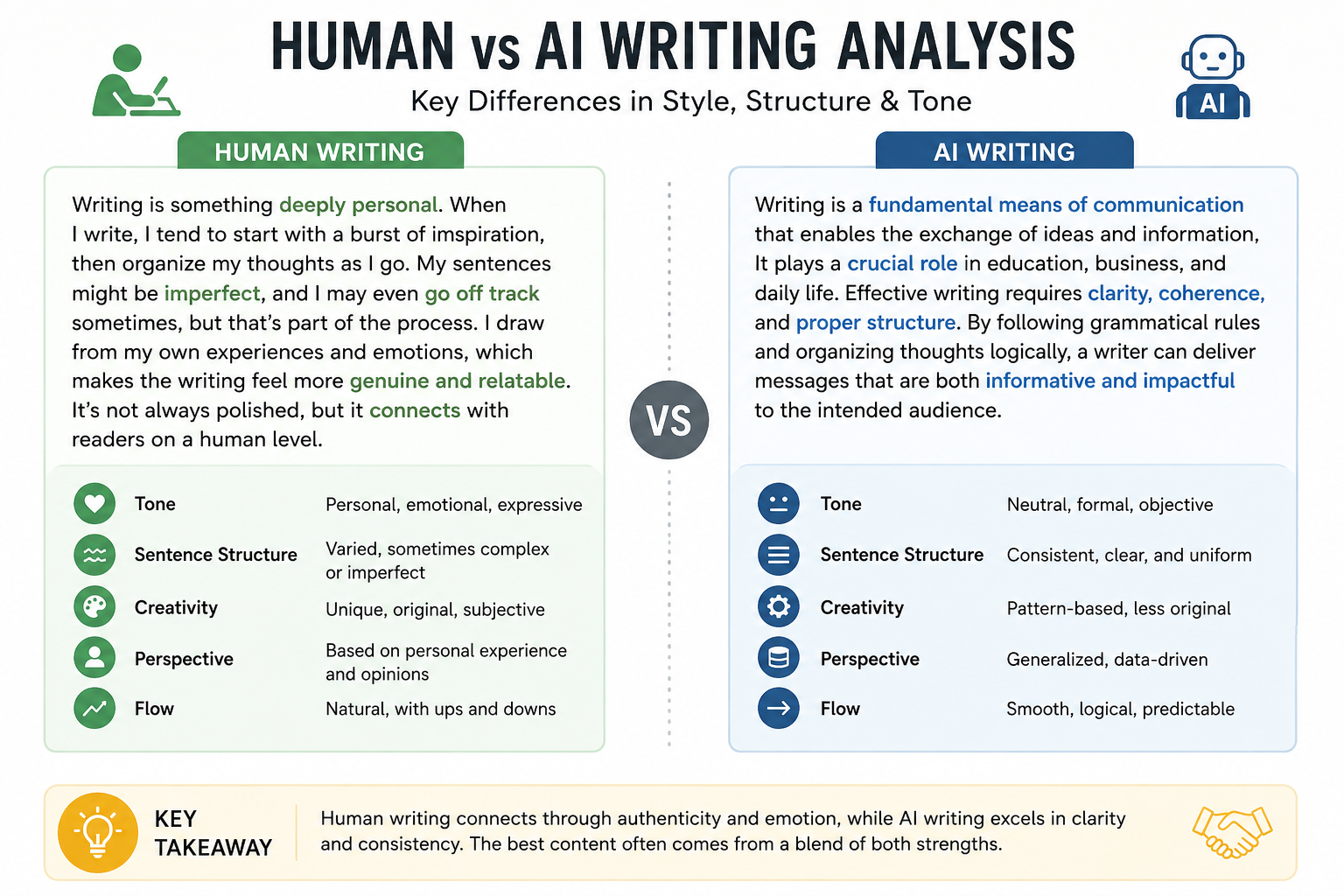
Fourth, the Humanizer potential of AI deserves serious attention. As AI systems become more sophisticated, the question of how they can enhance rather than replace human creativity and learning becomes increasingly urgent. Tools that help students develop their own voices while leveraging AI as a learning partner may prove more valuable than those focused solely on detection and deterrence.
Conclusion: Toward a Thoughtful AI Integration in Education
Turnitin's Learning Integrity Insights Reports have become indispensable resources for anyone seeking to understand the complex dynamics of AI adoption in educational settings. The Q2 2026 findings reveal a landscape of significant variation, unmet needs, and encouraging developments in governance.
The data demonstrates that AI has fundamentally altered the educational landscape, but it has also revealed the inadequacy of simplistic responses—whether wholesale embrace or blanket prohibition. The path forward requires nuanced, context-sensitive approaches that place educators at the center of decision-making and prioritize the development of tools specifically designed for educational purposes.
As institutions continue to grapple with these challenges, the insights from Turnitin and similar research initiatives will prove invaluable. By paying close attention to what the data reveals about student behavior, educator needs, and institutional dynamics, we can work toward an educational future in which AI serves as a powerful tool for enhancing human learning and creativity rather than replacing it.
The journey is far from complete, but the research points toward a promising direction—one in which technology and pedagogy advance hand in hand, guided by the wisdom of those who understand both the promise and the peril of artificial intelligence in shaping young minds.
Key Takeaways:
- Geographic variation matters: US higher education students use AI writing tools at double the rate of UK and Australian peers
- Education-specific AI is essential: Generic tools fail to meet the nuanced needs of teaching and learning
- Educators should lead: Faculty and teaching specialists increasingly drive AI strategy with better outcomes
- Responsible use is a spectrum: Institutions are evolving from detection-focused approaches toward thoughtful integration
- Context-sensitive policies outperform blanket rules: Age, geography, and discipline all shape effective AI governance