The Rise of Essay ZeroGPT Detectors: Navigating Academic Integrity in the Age of AI

Introduction
The landscape of academic writing is undergoing a dramatic transformation. As artificial intelligence tools like ChatGPT become increasingly sophisticated, educational institutions face unprecedented challenges in maintaining academic integrity. Essay ZeroGPT detectors and similar AI-powered plagiarism detection tools have emerged as frontline defenders in this ongoing battle—but at what cost?
Recent studies have revealed troubling concerns about these detection systems, sparking heated debates across university campuses worldwide. According to a December 2024 research publication in the Taylor & Francis journal, AI detection tools—which are meant to keep academic integrity intact—may actually be unfairly accusing scholars of AI plagiarism through false positives.
How Essay GPTZero Detectors Work
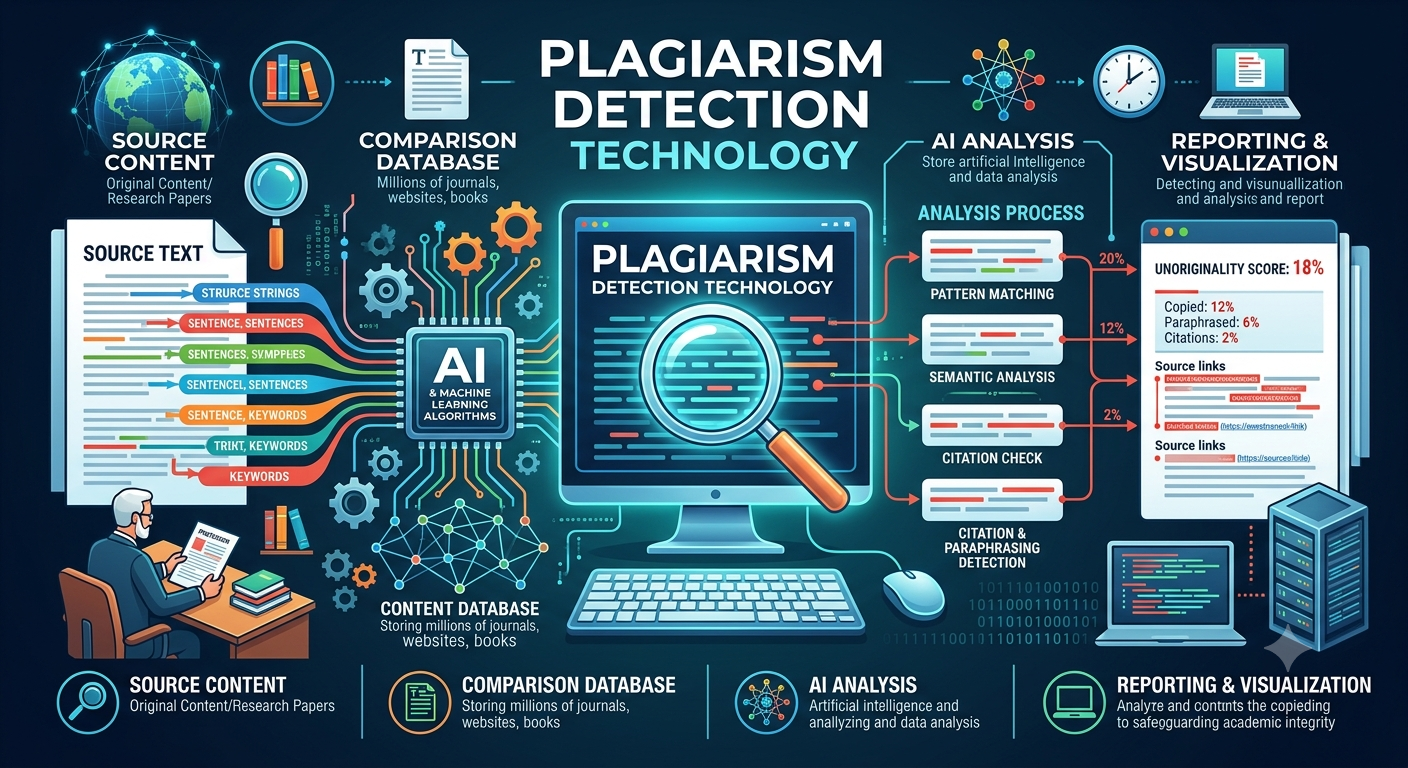
Modern essay detection systems employ sophisticated machine learning algorithms to analyze writing patterns, text structures, and linguistic features. These tools compare submitted work against vast databases of existing content, including:
- Linguistic fingerprint analysis: Identifying patterns in sentence structure, vocabulary usage, and writing style
- AI-generated content signatures: Detecting characteristics commonly found in machine-produced text
- Similarity matching: Comparing submissions against databases of known sources
The False Positive Crisis
The most alarming issue plaguing AI detection technology is the false positive problem. False positives incorrectly flag content written by humans as having been generated by AI tools—and the consequences can be devastating for accused students.
According to research from the University of San Diego Library, "any false positive comes with potentially serious consequences for accused students." This includes:
- Academic misconduct charges that can derail careers
- Reputational damage that follows students throughout their academic journey
- Psychological distress from unfair accusations
- Loss of educational opportunities due to disciplinary actions
A comprehensive study published in MDPI's Information journal (October 2025) evaluating the effectiveness and ethical implications of AI detection tools found that the technology, while improving, still struggles with significant accuracy issues.
University Policies Under Scrutiny
Many higher education institutions are now proceeding with caution when implementing AI detection measures. According to Inside Higher Ed (February 2024), "in higher ed, many are choosing to stand back and wait, worried that new tools for detecting AI-generated plagiarism may do more harm than good."
The Ethical Debate
The emergence of essay GPTZero detectors has sparked a fundamental question: Where do we draw the line between maintaining academic standards and embracing new learning technologies?
Arguments in Favor of AI Detection:
- Protects the value of authentic academic achievements
- Ensures fair evaluation among students
- Maintains institutional credibility and accreditation standards
Arguments Against Over-reliance on AI Detection:
- Technology is imperfect and prone to errors
- Penalizes students who naturally write in certain styles
- May discourage legitimate use of AI as a learning tool
- Creates adversarial relationships between students and educators
Best Practices for Students and Educators
For Students:
- Always document your writing process — keep drafts and notes
- Understand your institution's policies on AI assistance
- Use AI tools responsibly as assistants, not ghost writers
- Request human review if falsely accused
For Educators:
- Verify before accusing — cross-check AI detection results manually
- Consider the context — some assignments may legitimately involve AI assistance
- Focus on learning outcomes rather than policing technology
- Stay informed about the limitations of detection tools
Looking Ahead
As we navigate this complex intersection of technology and academia, one thing is clear: the conversation around essay ZeroGPT detectors is far from over. According to Springer research (February 2026), systematic evaluations of commercial AI content detectors within academic integrity frameworks continue to evolve, with the goal of achieving more reliable and fair systems.
The key lies in finding a balance—leveraging technology's benefits while remaining vigilant about its limitations. Educational institutions must approach AI detection not as a definitive verdict, but as one piece of evidence in a larger assessment puzzle.
Conclusion
Essay ZeroGPT detectors represent both a technological advancement and a philosophical challenge for modern education. While they offer valuable tools for maintaining academic integrity, the current generation of AI detection systems is not infallible.
As students, educators, and institutions, we must advocate for: - Transparent detection methodologies - Robust appeal processes for contested cases - Continuous improvement of detection accuracy - Ethical guidelines that respect both integrity and innovation
The future of academic integrity doesn't rest solely in the hands of algorithms—it requires human judgment, ethical frameworks, and a shared commitment to genuine learning.