The Secret Weapon for the Deadline Warriors: How I Crushed AI Detection from 91% to 0% (GPTZero Edition)
Alright, folks, gather 'round. I'm about to spill the tea on something that's been saving my academic butt this semester—and trust me, if you've ever stared at a deadline and thought, "There's no way I'm writing this whole paper tonight," you're going to want to read every single word of this post.
The Problem: ZeroGPT Got Smarter (And Not in a Fun Way)
Let's be real for a second. We've all been there. It's 2 AM, you have a 3,000-word essay due at 9, and you've already used every AI tool in existence to help you get through it. But here's the kicker—GPTZero went and updated their detection algorithms, and suddenly, all those old tricks you used to rely on? Completely useless.
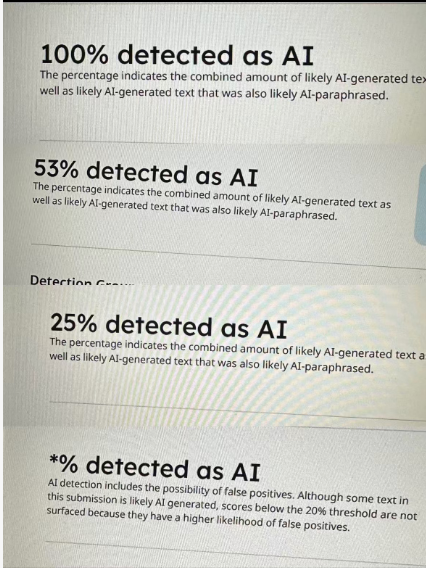
I learned this the hard way when my latest submission came back with a terrifying 91% AI detection rate. Ninety-one percent. At that point, I wasn't just failing—I was basically advertising that I'd let ChatGPT do the heavy lifting.
But here's the thing: I didn't give up. After tons of trial and error, late-night experiments, and probably too much coffee, I finally cracked the code. And now? I'm hitting that beautiful 0% consistently.
So buckle up, because I'm about to share my secret sauce with you.
Step 1: Analyze Your GPTZero Report Like a Detective
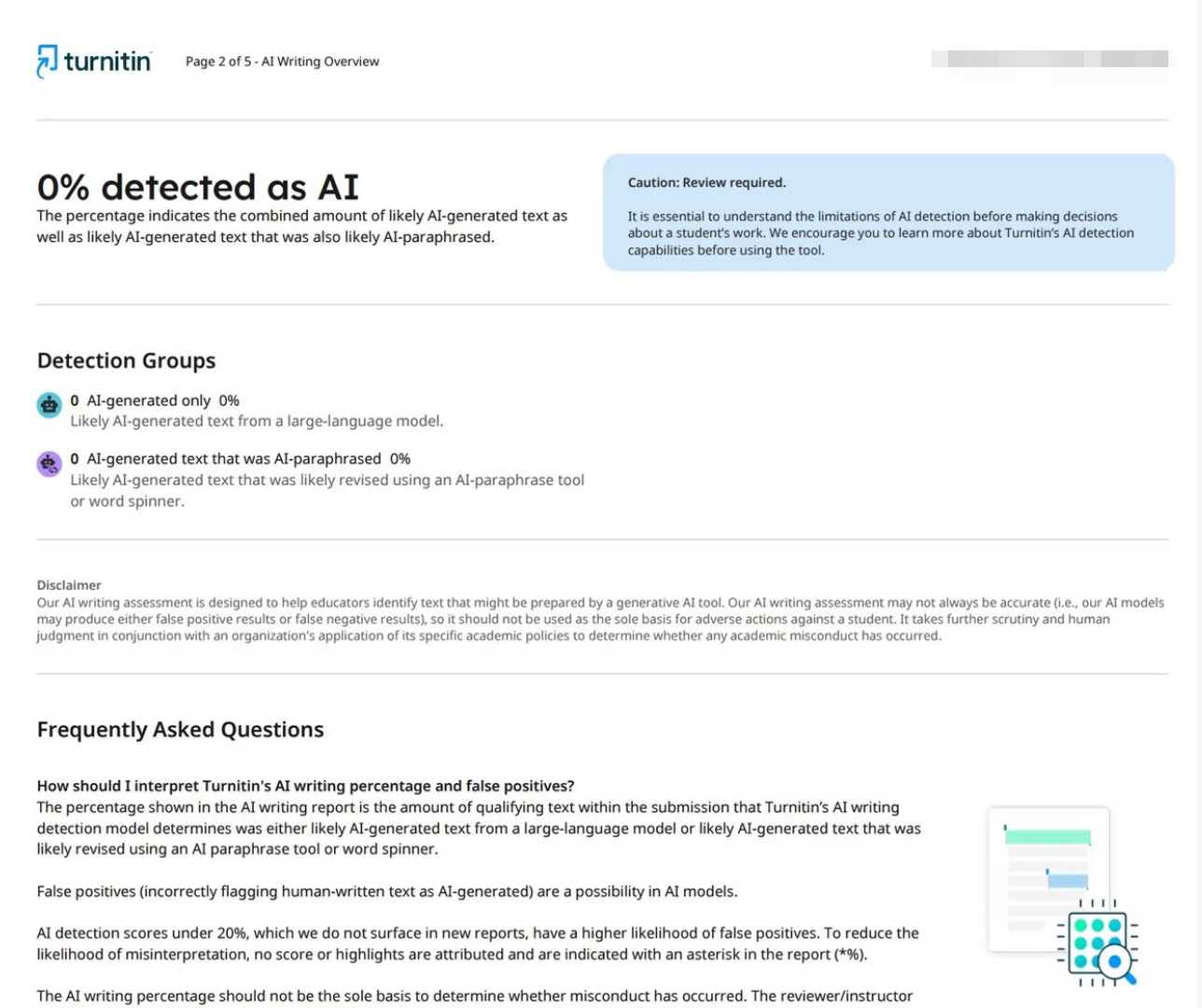
First things first—you need to understand what you're dealing with. Don't just look at that scary percentage and panic. Instead, dive into the detailed GPTZero report and identify exactly which parts of your paper are being flagged as AI-generated.
The report will highlight specific sentences or paragraphs in different colors, indicating the likelihood of AI involvement. This is your roadmap. You need to know precisely where the problem areas are before you can fix them.
Pro tip: Look for patterns. Are your introduction and conclusion paragraphs showing higher AI indicators? What about certain sections where you used a lot of complex vocabulary? Identifying these patterns will help you understand what GPTZero's algorithm is picking up on.
Step 2: Use ChatGPT to Rewrite—But Do It Smart
Now comes the fun part. Take those flagged sections and feed them back into ChatGPT—but not with a generic "rewrite this" prompt. Oh no, we're going to be much more strategic than that.
Command #1: Simplify Everything
Here's the first prompt you should use:
"Replace all transition words and conjunctions in the sentences with the most basic and commonly used ones. Use simple expressions, avoiding complex vocabulary. Ensure the logical connections between sentences are clear. Delete the conclusion part in the end of the text."
Why does this work? Because AI writing tends to overuse fancy transitions like "Furthermore," "Moreover," "Nevertheless," and "In conclusion." By forcing simpler language, you're breaking that robotic pattern that detection tools look for.

Command #2: Add Human Flaws (In a Good Way)
For the second round, try this:
"Act as a researcher in the field of [YOUR FIELD]. Rewrite the following text, incorporating personalized insights and critical thinking. Include specific examples or hypothetical data from a personal research experience to make the content more authentic and persuasive."
This is brilliant because AI-generated content often lacks that personal touch, those anecdotal moments that make academic writing feel genuine. By asking for "hypothetical data from personal research experience," you're essentially forcing the AI to create something that sounds more human and less... algorithm-generated.
Pro tip: Run both versions and compare them. Pick whichever one feels more natural and easier to understand. After applying both commands, you should see your AI percentage drop significantly—often by half or more.
Step 3: Manual Editing—The Secret Weapon Nobody Talks About
Here's where most people stop, and that's exactly why they're still failing. The automated rewriting gets you most of the way there, but to hit that sweet 0%, you need to get your hands dirty with some manual editing.
This is what I call the "Humanizer" technique:
✅ Break up those sentences. Take long, complex sentences and chop them into shorter pieces. AI loves to string ideas together with commas and semicolons. Human writing has more variety.
✅ Change up your sentence structures. Mix it up! Some sentences should start with subjects, others with transitions, others with questions. If every single sentence follows the same pattern, the algorithm will notice.
✅ Add natural flow breaks. Insert personal observations, brief examples, or even rhetorical questions. These are things that AI struggles to generate authentically.
✅ Read it out loud. This is huge. If something sounds awkward when you say it, it probably sounds robotic to the detector too. Trust your ears!
✅ Vary your vocabulary naturally. Don't go overboard with synonyms, but do replace some words with alternatives that you'd actually use in conversation.
Step 4: Test It Before You Submit

Before you submit your masterpiece, use an online ZeroGPT detector or similar AI detection tool to check your work. Think of it as a dress rehearsal for the real thing.
This final checkpoint lets you catch any remaining red flags before they become a problem. If you spot anything above 20%, go back and apply more of the Humanizer techniques.
Final Thoughts: It's About Working Smarter, Not Harder
Look, I'm not here to tell you to cheat the system. The goal here isn't to pass off entirely AI-generated content as your own original work—that's ethically questionable at best and will probably come back to bite you. Instead, think of these techniques as tools to help you refine and personalize content that you've already put thought into.
At the end of the day, the best results come from combining AI assistance with your own critical thinking, personal insights, and genuine effort. Use these methods to polish your work to perfection, not to replace your brain entirely.
Now go forth and conquer those deadlines! And if this guide helped you drop your AI percentage from terrifying to zero, drop a comment below and let me know your success story. We deadline warriors need to stick together.
What techniques have worked for you? Share your tips in the comments!