Turnitin AI Detection Updates: What Changed in July 2026
The landscape of academic integrity continues to evolve at a breathtaking pace, and Turnitin remains at the forefront of this transformation. As of July 2026, the platform has rolled out significant updates to its AI detection capabilities, responding to the ever-increasing sophistication of large language models like Claude, Gemini, and DeepSeek. Whether you're an educator, student, or academic administrator, understanding these changes is crucial for navigating the complex intersection of AI technology and scholarly work.
This comprehensive guide examines the ten most important updates to Turnitin's AI detection system in July 2026, providing you with actionable insights and a clear understanding of how these changes impact academic integrity practices worldwide.
The 10 Most Important Updates in July 2026
1. Enhanced Multi-Language AI Detection Capabilities
Turnitin has significantly expanded its linguistic detection capabilities beyond English. The most notable addition is the Spanish AI detection model, which has been trained specifically with Spanish language writing samples to detect text likely generated with GPT-3.5 and GPT-4 large language models. This update addresses the growing need for academic integrity tools that perform reliably across different languages, as educational institutions increasingly serve diverse, global student populations.
The enhanced model considers language-specific nuances, idiomatic expressions, and cultural writing conventions that vary significantly across Spanish-speaking regions, from Latin America to Spain.
2. Longitudinal Baselining System
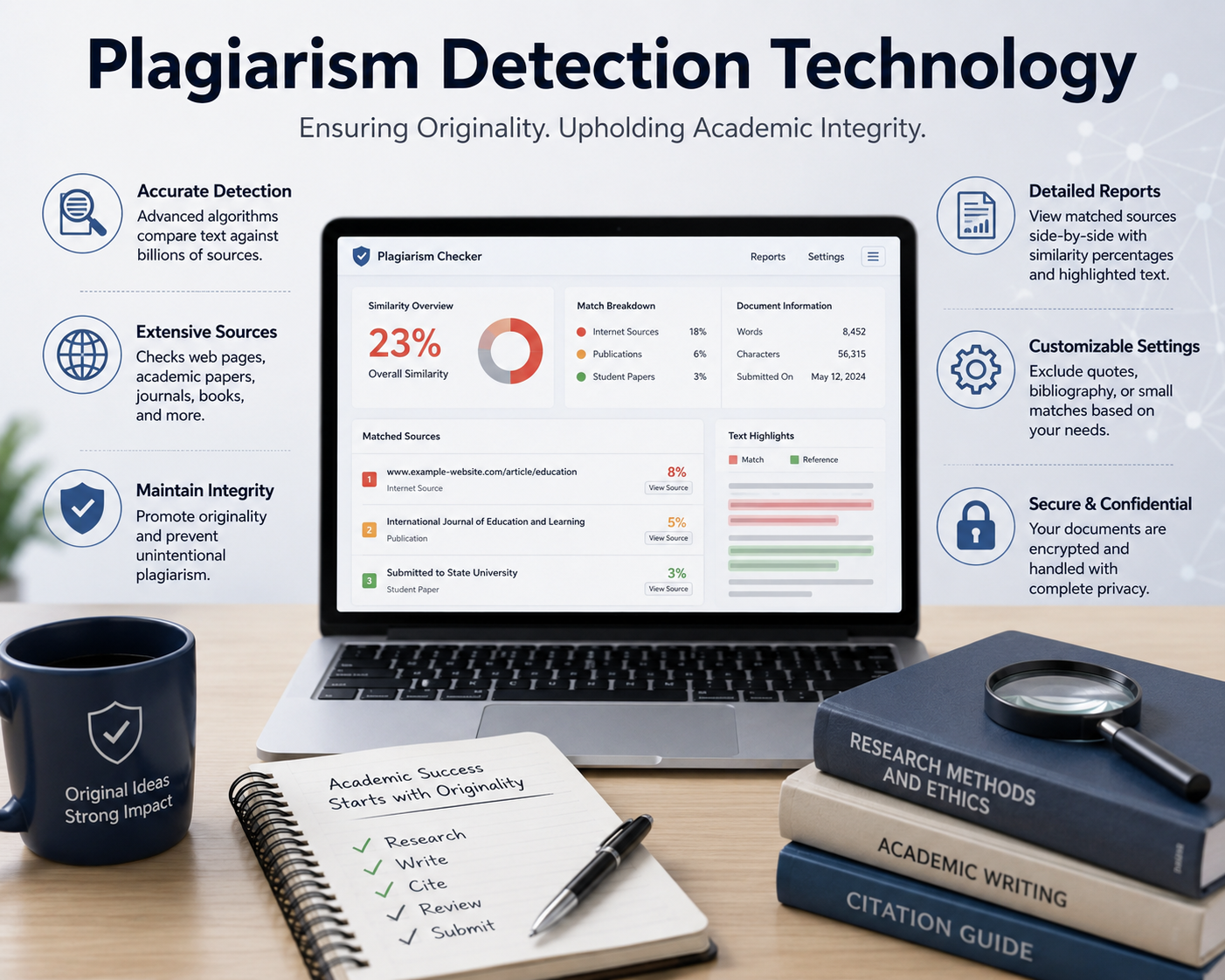
One of the most innovative updates introduced in July 2026 is the longitudinal baselining feature. This optional tool allows educators to establish writing baselines for individual students over time, creating a temporal profile of each student's writing evolution. By tracking changes in writing patterns across multiple submissions, instructors can more accurately identify significant deviations that might indicate AI-generated content or substantial outside assistance.
This approach represents a fundamental shift from single-document analysis to ongoing writing journey monitoring, making the detection process more personalized and, theoretically, more accurate.
3. Expanded Detection Beyond Plain Text
Turnitin's detection capabilities have broadened to encompass speech-to-text, image-to-text, and code generation detection. This expansion recognizes that AI-generated content increasingly appears in multiple formats, and students may use various tools to convert AI outputs between different mediums.
The platform now offers:
- Speech-to-text analysis: Detecting AI-generated audio transcriptions
- Image-to-text capabilities: Identifying AI-generated text within images
- Code generation detection: Flagging AI-produced programming solutions
This comprehensive approach positions Turnitin as a holistic academic integrity solution rather than merely a text-based plagiarism checker.
4. Sharper Humanized AI Text Detection
Following the February 2026 quiet upgrade, Turnitin launched an even more refined detection system in July that specifically targets humanized AI text—content that has been processed through AI bypass tools designed to make machine-generated text appear more human-like.
The enhanced system analyzes subtle indicators that typically differentiate humanized AI content from authentic human writing, including unusual rhythm patterns, atypical word choices in specific contexts, and inconsistent stylistic fingerprints that even sophisticated AI paraphrasing tools struggle to fully eliminate.
5. Improved False Positive Reduction Measures
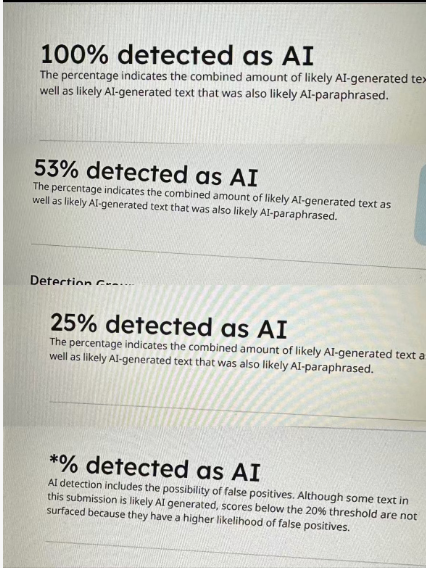
Addressing one of the most significant criticisms of AI detection technology, Turnitin has implemented enhanced false positive reduction measures in July 2026. While the company maintains its claim of approximately 98% accuracy, independent studies conducted throughout early 2026 revealed that real-world detection accuracy drops to 60-85% on edited or humanized AI text.
The new updates include:
- Refined confidence thresholds that require higher probability scores before flagging content
- Contextual awareness features that consider subject matter and writing assignment type
- Enhanced mechanisms for distinguishing AI-assisted writing from fully AI-generated content
6. Deepened Support for Global Classrooms
Turnitin's 2026 roadmap emphasized expanding support for diverse educational contexts, and July brought deeper integration of multilingual detection models and culturally aware analysis systems. This update recognizes that AI writing detection cannot be a one-size-fits-all solution—writing styles, expectations, and conventions vary dramatically across academic disciplines, educational systems, and cultural contexts.
The platform now offers more granular control for educators to adjust detection sensitivity based on:
- Student native language and educational background
- Academic discipline and expected writing conventions
- Assignment type and level of academic study
7. Enhanced Integration with Learning Management Systems
July 2026 saw seamless integration updates with major learning management systems including Canvas, Blackboard, Moodle, and Brightspace. These improvements allow for:
- Automatic AI detection triggering based on assignment submission
- Direct grade book integration for flagged submissions
- One-click appeal initiation from within the LMS interface
- Real-time notification systems for both instructors and students
This integration reduces friction in the academic workflow while ensuring consistent application of AI detection policies across different course management platforms.
8. Student Transparency Dashboard Improvements
Recognizing that academic integrity works best when all stakeholders understand the process, Turnitin introduced enhanced transparency features for students. The updated dashboard now provides:
- Detailed breakdowns of which specific sentences or paragraphs were flagged
- Explanations of why particular content raised detection concerns
- Resources for understanding AI writing patterns and how to avoid them
- Clear guidance on the appeal process with recommended evidence types
This transparency initiative aims to shift the conversation from punitive measures to educational outcomes, helping students develop stronger independent writing skills.
9. Advanced Research Paper and Thesis Detection
Building on its core student essay detection capabilities, Turnitin expanded its AI detection to better serve graduate-level research and thesis writing. The July 2026 updates include specialized analysis modes for:
- Extended academic prose with complex citation structures
- Technical and scientific writing conventions
- Literature review sections with heavy reliance on source integration
- Methodology descriptions requiring precise, formulaic language
These specialized modes recognize that graduate-level writing often includes patterns that might superficially resemble AI generation, such as highly formal language, structured argumentation, and technical terminology.
10. API and Third-Party Integration Enhancements
For institutions requiring custom integration solutions, Turnitin released enhanced API capabilities in July 2026. These updates enable:
- Custom threshold configurations for specific institutional policies
- Bulk analysis capabilities for large-scale institutional reviews
- Integration with institutional research and analytics platforms
- Automated policy enforcement based on detection results
These API enhancements reflect Turnitin's evolution from a standalone tool to a comprehensive academic integrity ecosystem that can adapt to diverse institutional needs.
The Broader Context: Universities Respond to AI Detection
The July 2026 updates arrive amid ongoing debates about the reliability and appropriate use of AI detection tools. Notably, Curtin University announced in April 2026 that it would disable Turnitin's AI writing detection feature across all campuses and study periods starting January 2026, citing continuing concerns about reliability.
This decision highlights the tension between technological solutions and pedagogical approaches to academic integrity. While some institutions embrace increasingly sophisticated detection tools, others question whether the focus should shift to teaching academic writing skills and appropriate AI use rather than catching students who rely on these technologies.
Best Practices for Educators in July 2026
Given these updates, educators should consider the following approaches:
- Use detection as one factor, not definitive proof: AI detection should supplement, not replace, holistic assessment of student work
- Leverage longitudinal baselining: Track student writing development rather than relying solely on flag-based identification
- Communicate clearly with students: Ensure students understand what AI assistance is acceptable and what constitutes academic misconduct
- Stay informed about detection limitations: Understand that accuracy varies based on text modification and always allow for student response
- Utilize transparency features: Share detection reports with students to facilitate learning conversations
Conclusion
Turnitin's July 2026 updates represent a significant evolution in academic integrity technology, addressing both the expanding capabilities of AI writing tools and the legitimate concerns about false positives and over-reliance on automated detection. The introduction of longitudinal baselining, enhanced multilingual capabilities, and expanded detection across text, speech, images, and code demonstrates Turnitin's commitment to remaining the industry standard for academic integrity solutions.
However, these updates also underscore the importance of maintaining human judgment in academic assessment. AI detection tools, however sophisticated, should serve as one component of a comprehensive approach to academic integrity—one that prioritizes education, transparency, and the development of authentic student writing skills.
As we navigate the remainder of 2026 and beyond, educators, students, and institutions must work together to establish clear policies, ethical guidelines, and pedagogical approaches that leverage technology's benefits while preserving the fundamental values of academic honesty and intellectual growth.