Decoding Business Excellence: What the FIFA World Cup Teaches Us About Modern Commerce
Publish Date: 2026-07-06
Introduction
Have you ever watched the FIFA World Cup and wondered how such a sporting event transforms into a multi-billion dollar global enterprise? Beyond the excitement of penalty kicks and dramatic comebacks lies one of the most sophisticated business models in the sporting world. In this blog post, we'll explore how the World Cup serves as a fascinating case study for understanding modern business strategy, and how tools like ChatGPT can help analyze complex commercial ecosystems, while also addressing the growing importance of authentic human writing in academic and professional contexts.
The World Cup: More Than Just a Football Tournament
The FIFA World Cup is not merely a sporting competition—it's a masterclass in global business operations. Let's break down the key elements that make this tournament one of the most successful commercial ventures in human history.

Revenue Streams: The Financial Architecture
Broadcasting Rights
The single largest revenue generator for FIFA comes from broadcasting rights. For the 2022 Qatar World Cup, FIFA earned approximately $4.6 billion from media rights alone. Major networks compete fiercely for exclusive coverage rights, recognizing the tournament's unmatched global viewership—over 3.5 billion people watched at least one minute of the 2018 Russia World Cup.
Sponsorship and Commercial Partnerships
FIFA's sponsorship model is tiered and sophisticated: - FIFA Partners: Global giants like Adidas, Coca-Cola, and Visa pay premium fees for exclusive association rights - FIFA World Cup Sponsors: Regional and category-specific brands - Host Country Sponsors: Local businesses with country-specific rights
This multi-tiered approach maximizes revenue while creating diverse partnership opportunities.
Ticket Sales and Hospitality
Premium hospitality packages at the World Cup can cost tens of thousands of dollars, offering exclusive experiences that wealthy fans eagerly purchase. The 2022 Qatar World Cup generated record ticket revenues, with some matches seeing secondary market prices exceeding $2,000.
The ChatGPT Connection: AI-Powered Business Analysis
Using AI to Decode Business Models
Modern artificial intelligence tools like ChatGPT have revolutionized how we analyze business strategies. When examining the World Cup's business model, you can prompt ChatGPT to create comprehensive essays or assays that explore:
- Value Proposition Analysis: How FIFA creates and delivers value to stakeholders
- Market Segmentation: Understanding the diverse global audience
- Revenue Diversification: The strategic approach to multiple income streams
- Risk Management: How FIFA handles geopolitical, economic, and operational risks
An AI-generated assay can help students and professionals structure their analysis systematically, identifying key components of the World Cup's commercial success.
Benefits of AI-Assisted Writing
- Speed: Generate initial drafts in minutes rather than hours
- Structure: AI tools excel at creating logical frameworks
- Research Compilation: Summarize data from multiple sources efficiently
- Multiple Perspectives: Explore various angles of business analysis
However, as we'll discuss, authenticity remains crucial in academic and professional writing.

The Human Touch: Why Authenticity Matters
The Rise of AI Detection Tools
With the proliferation of AI-generated content, educational institutions and businesses have developed sophisticated detection tools. Platforms like ZeroGPT now incorporate AI writing detection capabilities, capable of identifying content generated by tools like ChatGPT.
This development has created an interesting tension: - Academic Integrity: Universities require original work that demonstrates genuine understanding - Authenticity Standards: Professional contexts value unique perspectives and voice - Ethical Considerations: The line between AI assistance and AI authorship remains contested
The Humanizer Solution
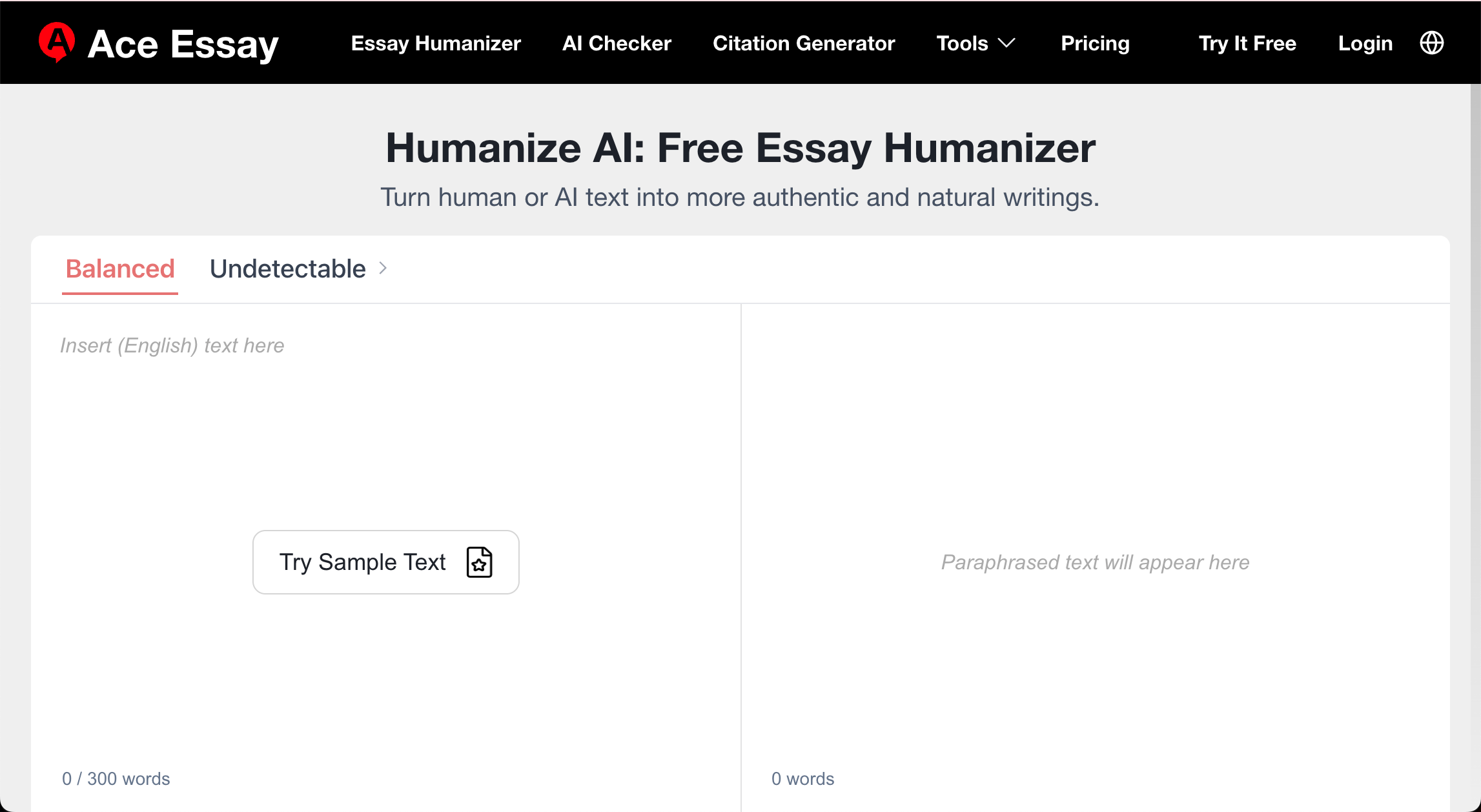
This is where tools like the AI Humanizer from aceessay.ai come into play. These sophisticated platforms can help transform AI-generated content into more natural, human-sounding writing while maintaining the core message and analysis. The humanization process typically involves:
- Natural Language Enhancement: Adding colloquialisms and conversational elements
- Sentence Variation: Breaking predictable AI patterns
- Voice Authenticity: Creating a more personal, engaging tone
- Contextual Adaptation: Tailoring content to specific audiences
Balancing Technology and Authenticity
The key is understanding that AI tools should serve as assistants, not replacements for human thought. The most effective approach combines: - AI for research, drafting, and structure - Human insight for analysis, creativity, and authentic voice - Editing tools for refinement and enhancement
Strategic Lessons for Modern Businesses
1. Diversification is Essential
FIFA's success stems from multiple revenue streams—no single source dominates. Businesses should similarly develop diverse income channels to ensure resilience.
2. Global Appeal Requires Localization
While the World Cup is universal, FIFA masterfully adapts its approach for different markets—understanding that a successful global product must respect local cultures.
3. Brand Partnerships Create Exponential Value
Strategic partnerships amplify reach and credibility beyond what any single entity could achieve alone.
4. Risk Management Through Flexibility
The World Cup has navigated political conflicts, pandemic-related delays, and regional controversies—demonstrating the importance of adaptive planning.

Practical Applications: How to Use These Tools Effectively
For Students Analyzing Business Models:
- Use ChatGPT to gather initial information and structure your thoughts
- Employ AI humanizers to refine your writing while maintaining your analysis
- Always verify claims with original sources
- Add your unique perspective and critical analysis
For Professionals:
- Leverage AI tools for market research and competitive analysis
- Use humanization tools for client-facing materials
- Maintain authenticity in presentations and strategic documents
- Remember that tools enhance rather than replace expertise
Conclusion: The Winning Formula
The FIFA World Cup offers invaluable lessons in business strategy, demonstrating how vision, diversification, and strategic partnerships can create a truly global enterprise worth billions. As we navigate an era where artificial intelligence increasingly influences content creation, the most successful individuals and organizations will be those who thoughtfully combine technological efficiency with authentic human insight.
Tools like ChatGPT for research and drafting, humanizers for stylistic refinement, and AI detectors for quality assurance represent the new toolkit of the modern knowledge worker. The key lies not in choosing between technology and authenticity, but in understanding how to wield both effectively.
Final Takeaway: Whether you're analyzing the World Cup's billion-dollar business model or developing your own commercial strategy, remember that sustainable success comes from balancing innovation with integrity—and that the most compelling stories are always those that blend technological capability with genuine human creativity.